Game Dev Hiring in 2026: What the Evidence Supports

Image: Ofspace LLC / Unsplash
The 2026 GDC State of the Game Industry report is useful evidence of a difficult period. It is also easy to overstate.
GDC reports responses from more than 2,300 game-industry professionals. Among survey respondents, 28% said they had been laid off in the prior two years, rising to 33% among U.S. respondents; half said their current or most recent employer had conducted layoffs in the prior 12 months.
Those are findings about respondents to an industry survey. They are not a census of every game worker, a measure of all job openings, or proof that “one in three developers” everywhere lost a job in one year.
What the survey can tell an applicant
It supports planning for competition and instability. It also covers generative-AI use and sentiment, unionization, platforms, and business pressure.
It does not establish that:
- skills-first screening is the default at all studios;
- AI ranks every application before a human sees it;
- specific disciplines are always hiring;
- finished work automatically beats credentials; or
- a visible salary range places a candidate near the top.
Those claims require employer-specific or representative labor-market evidence.
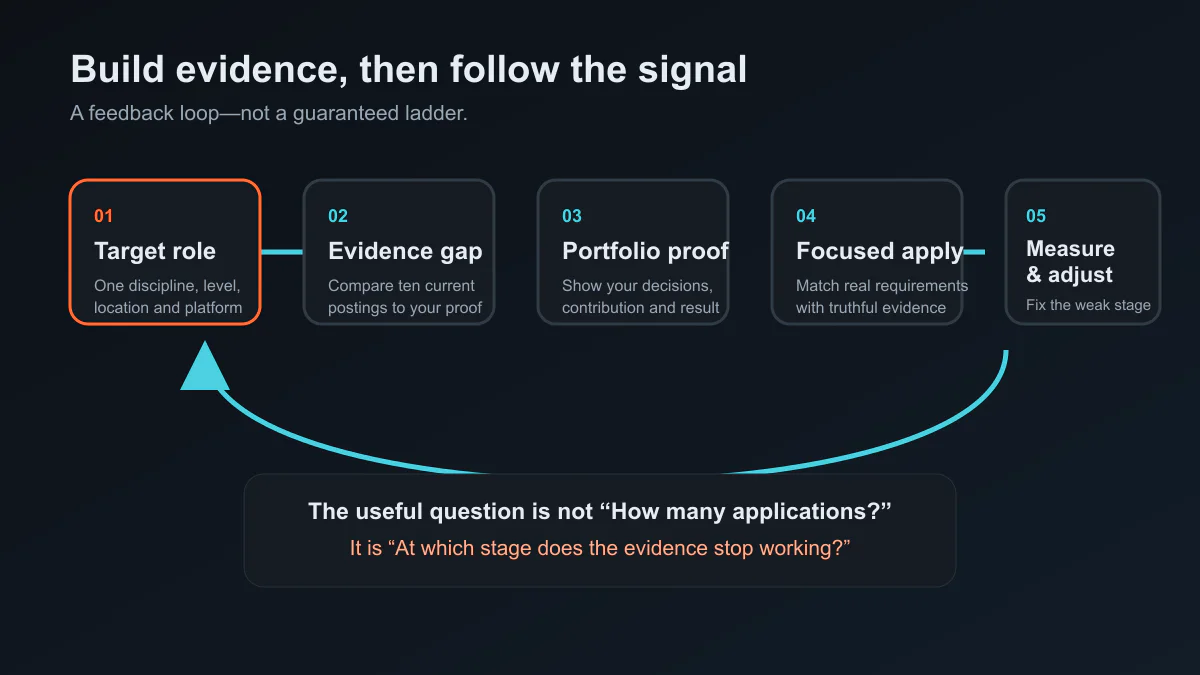
Inspect each employer’s real process
Before applying, save the dated posting and map:
| Posting evidence | What to prepare |
|---|---|
| Required engine or language | A truthful project showing where you used it |
| Portfolio requested | Relevant samples with your individual contribution |
| Test mentioned | Time, format, accommodation, ownership, and reuse questions |
| Shipped-title requirement | Accurate credits or other verifiable production evidence |
| Location restriction | Work authorization, payroll location, and office schedule |
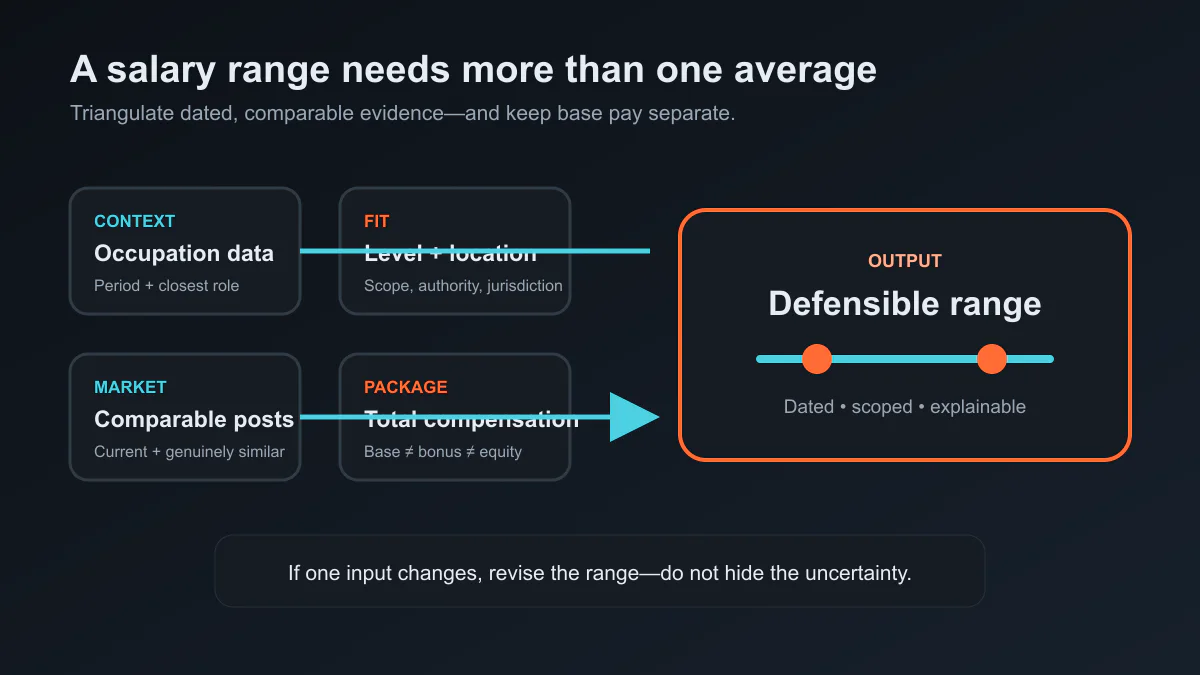
| Salary range | Questions about level, geography, and total compensation |
Do not infer a hidden process from a trend article. Ask the recruiter what stages exist and whether any automated assessment is used.
Treat AI as a policy question
The GDC survey shows divided views about generative AI. A candidate should not assume that undisclosed AI use is welcomed.
For portfolio or application work:
- follow the employer’s stated policy;
- disclose material AI assistance when requested;
- do not upload confidential employer or client material to a tool;
- verify licenses and provenance;
- be prepared to explain every submitted decision; and
- never claim generated or team work as solely your own.
If an algorithmic assessment creates a disability barrier, the U.S. Department of Justice says applicants may need a reasonable accommodation. Local law and employer coverage vary.
Use multiple indicators of hiring demand
Current first-party postings, official workforce data, filed company reports, and dated hiring announcements answer different questions. Count openings by role, level, location, and contract type over time. A company advertising one role is not evidence that the whole discipline is expanding.
Likewise, BLS occupations that overlap games are much broader than the industry. Use them for context, not as a game-studio forecast.
Source notes
- GDC’s 2026 State of the Game Industry summary reports the survey size, layoff responses, and covered topics.
- IGDA’s Developer Satisfaction Survey page identifies its survey program and available reports; the 2023 survey had a different sample and purpose.
- DOJ guidance on algorithms and disability discrimination in hiring explains accommodation and screening risks.
- BLS occupational data provides broader U.S. occupation projections, not a game-only hiring forecast.
Source check: 27 July 2026.
This article provides general career information, not legal advice or a prediction of hiring outcomes.
hiring trendsgame careersAIskills-based2026