Career Paths Inside the Games Industry in 2026

People do move between disciplines in game development. QA can lead to production or design; art can lead to technical art; gameplay engineering can lead to tools or infrastructure. None of those routes is a guaranteed promotion path.
Openings, manager support, demonstrated skill, immigration status, location, and company finances all affect whether a move is available.
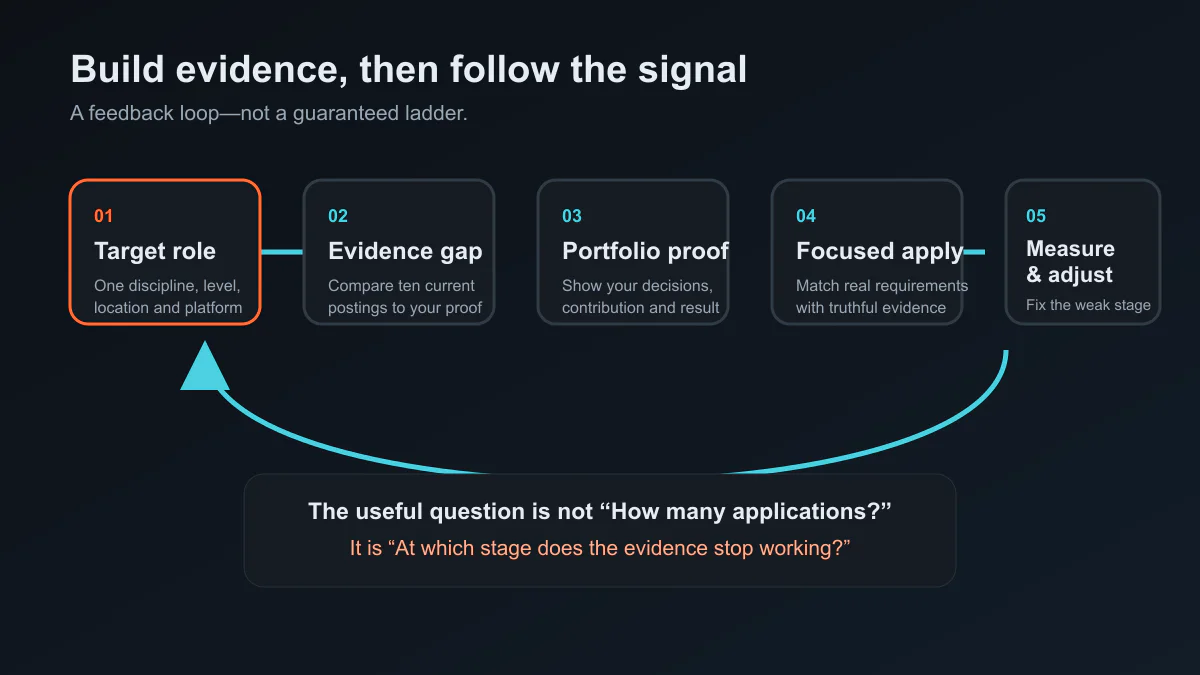
Map the gap before choosing the route
Start with three current postings for the destination role. Extract:
- essential duties;
- tools and technical depth;
- portfolio or shipped-credit requirements;
- level and leadership expectations;
- location and work authorization; and
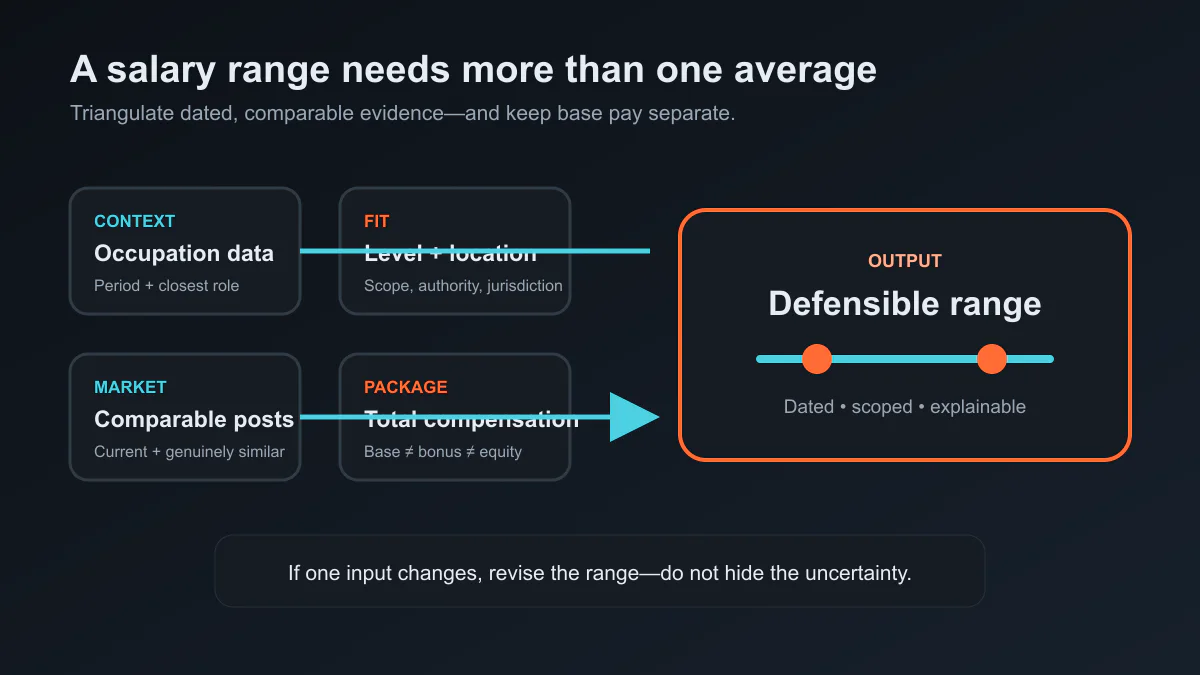
- compensation and contract type.
Then label each requirement:
- already demonstrated;
- can demonstrate safely at work;
- can build outside work without using employer IP; or
- requires formal training, permission, or a new role.
This is more useful than assuming a particular source role is a “side door.”
Examples of possible transitions
| Possible move | Evidence to develop | Important constraint |
|---|---|---|
| QA to design | Reproducible system analysis, prototypes, tuning rationale | Finding bugs is not the same as owning design |
| QA to automation | Scripting, test architecture, maintainable tooling | Access and engineering expectations vary |
| Support to community | Moderation judgment, escalation, publishing, analysis | Safety and privacy responsibilities can be substantial |
| Artist to technical artist | Engine profiling, shaders, tools, pipeline work | Technical depth differs sharply by studio |
| Developer to lead | Delivery plus mentoring, scoping, and decision records | Strong individual output alone may not show leadership |
| Production to product or operations | Planning, risk, measurement, stakeholder decisions | Commercial authority and analytics may be required |
These are examples, not claims about which path is safest or best paid.
Protect the current job and the portfolio
Before using workplace material:
- read confidentiality and invention-assignment terms;
- ask for permission where needed;
- remove customer, employee, security, and unreleased-product data;
- credit collaborators accurately; and
- do not publish source code or internal tools merely to prove skill.
You can often describe a decision at a high level or build a clean-room sample outside work. When ownership is unclear, obtain qualified legal guidance.
Discuss an internal move directly
Ask a manager or destination lead:
- what work the role owns;
- what evidence is missing;
- whether shadowing or a bounded stretch assignment exists;
- how that work will be evaluated and credited;
- whether the current workload will be adjusted; and
- whether there is an approved headcount and compensation process.
Doing two jobs indefinitely without title, pay, or a defined evaluation is not a career plan.
Read 2026 market evidence cautiously
The 2026 GDC survey documents broad layoff exposure among its respondents. It does not show that QA, entry art, backend, live operations, or any other discipline is universally contracting or protected. Count relevant openings and hiring outcomes in the target region over time.
BLS occupation profiles can describe adjacent work but do not isolate game studios. Employer postings and documented internal requirements remain the closest evidence for a specific move.
Source notes
- GDC’s 2026 State of the Game Industry summary reports survey findings and sample size.
- IGDA’s Developer Satisfaction Survey program publishes industry quality-of-life and employment research with stated survey context.
- IGDA’s Game Crediting Guidelines provide a crediting reference.
- BLS occupation profiles can help compare adjacent U.S. occupations while recognizing their limits.
Source check: 27 July 2026.
This article provides general career information, not legal advice or a promise of promotion or employment.
career pathsgame careersQAdesign2026